Conflict Is Not the Same as Abuse.
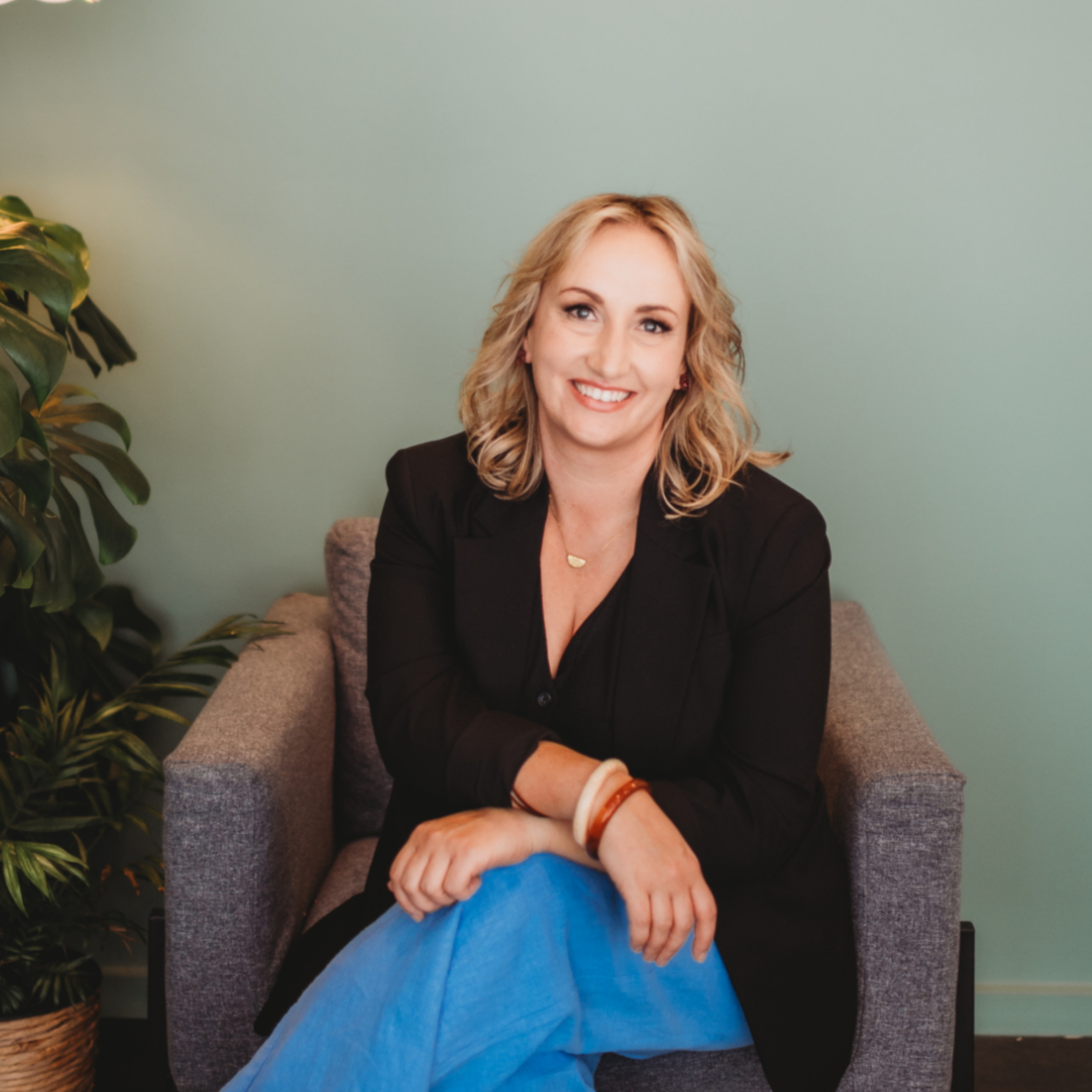
I taught the theory to others. I still couldn't recognise it in my own home.
For years, I described what was happening in my own home as arguments, a rough patch, stress...conflict. I have a psychology degree, I support other women to heal and I still needed someone else to say the word abuse before I could apply it in my own life.
We use the word "conflict" for almost everything. A disagreement about money. A fight about who does the dishes. A pattern of fear that controls someone's whole life.
That watering down does harm. It tells partners who are being abused that what is happening to them is mutual. It infers joint responsibility. A two way street.
When the victim assumes joint responsibility for abuse under the guise of conflict they create reasons to tolerate the abuse. It sounds something like this:
"If only I didn't upset them."
"If only I had cleaned the kitchen properly."
"I should have just done what they wanted." "We just had a rough week."
"I just need to try harder."
Mislabelling abuse to make it more palatable lets the behaviour hide in plain sight.
So let's name the difference properly.
Ordinary conflict happens between two people who hold roughly equal power.
Both people can say what they need. Both can disagree, push back, or walk away without fear of what happens next. The fight is about something. A decision, a boundary, a misunderstanding. And when it's over, it's actually over. Both people take responsibility for their part. Repair is real, and it tends to hold.
Conflict, even loud conflict, is not the problem. It is often a sign that two people feel safe enough to be honest with each other.
Abuse is different. It is not a disagreement. It is a pattern of control.
One person's fear shapes the relationship. The other person doesn't carry that same fear, because they hold the power.
In abuse, the "argument" isn't really about the topic on the surface. It's a tool. It ends when the other person submits, not when the issue is resolved. Apologies, if they come at all, are often followed by the same behaviour again. Sometimes that apology exists to keep the relationship intact, not to repair what was broken.
Abuse doesn't need to be physical to be real. Control over money, friendships, movement, or someone's own thoughts about themselves is still control. Coercive control frameworks make this the central point. The power imbalance itself is the abuse, whether or not there is ever a hand raised.
And here is the double standard that doesn't get talked about nearly enough.
If a person is beaten, strangled, stalked, or terrorised by a stranger, we are clear about who the victim is and who the perpetrator is. Nobody asks the victim to give the perpetrator the benefit of the doubt. Nobody suggests it was just a bad day. Nobody expects them to tolerate the phone calls or the unexpected appearances. Nobody says they're overreacting when the memory of it sends them into panic.
But when the perpetrator is a partner, or an ex-partner, something shifts.
The abusive, assaultive behaviour gets a different name.
Conflict
A fight.
A blue.
A row.
Tension.
Disagreement.
Miscommunication.
The behaviour doesn't change. The impact doesn't change. The fear living in the victim's body doesn't change.
What changes is how much credibility we hand back to the perpetrator.
Abuse is not conflict.
The moment we reach for softer language, we've already started deciding whose account we are more comfortable with.
Here is a simple question that cuts through a lot of confusion:
Who is afraid?
In healthy conflict there is no undercurrent of fear, and so the answer is this; no one is afraid.
In abuse, fear is the intention of the perpetrator, and the victim is very much afraid.
If you are asking yourself whether what you're experiencing is conflict or abuse, this one question can bring a lot of clarity. Are you afraid?
Ordinary conflict doesn't leave you scanning a room for someone's mood before you speak. It doesn't leave your body bracing before they walk in the door.
You are allowed to trust what your body already knows. You are allowed to name it. It might just save your life.
If this is stirring something up for you, you don't have to sit with it alone. Reach out. That's what I'm here for.
You Are Not Alone
If this resonated with you, you are not alone.
If you are currently experiencing or recovering from domestic or family violence, support is available.
Crisis support (24/7)
1800RESPECT: 1800 737 732
Safe Steps (Victoria): 1800 015 188
13YARN (First Nations support): 13 92 76
Lifeline: 13 11 14
The Village Health resources
We have created a number of free resources, including a personal safety plan template and a guide to help lines and services. You can access them here:
Family Violence Recovery support
The Village Health offers specialist counselling and recovery support for victim survivors. If you are ready to take that step, we would love to walk alongside you:
For professionals and organisations
If you work in this space and would like to bring this conversation into your team, organisation, or event, Elizabeth speaks on domestic and family violence, trauma, and systemic change. You can find out more here:
Comments